台湾姉妹校の生徒とユネスコ平和茶道文化体験を行いました

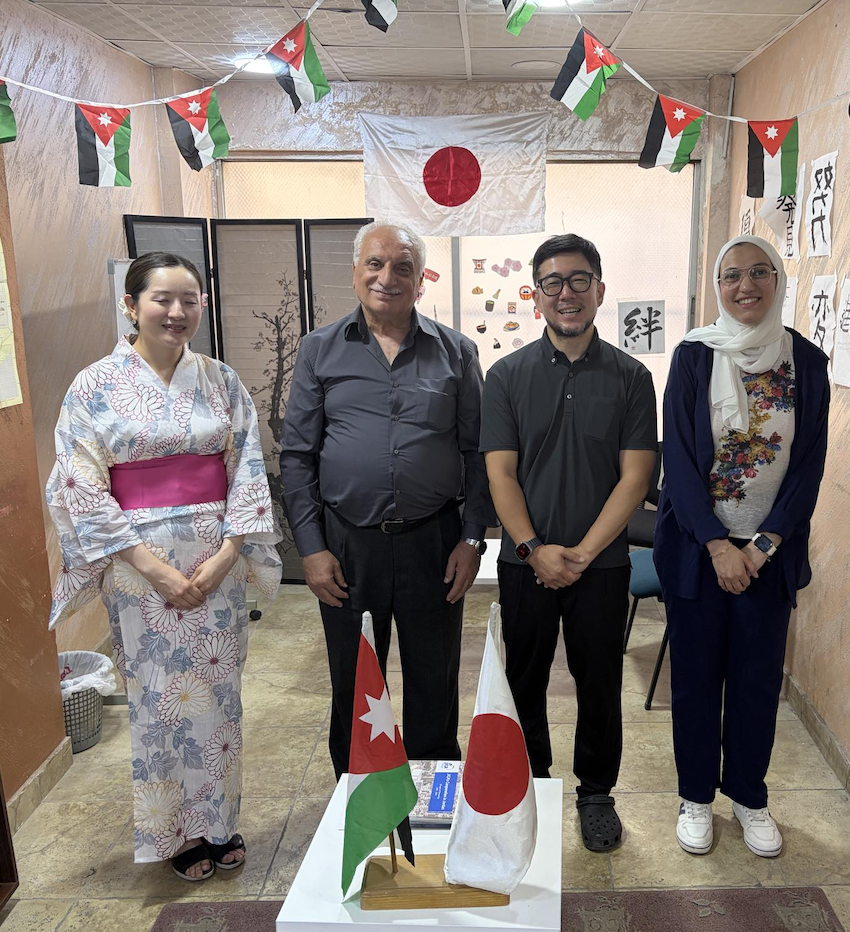
本校を訪問した台湾・高雄市の姉妹校、国立鳳山商工高等学校の生徒たちとともに、「ユネスコ平和茶道文化体験」を行いました。

今回の活動では、台湾の生徒たちが日本文化を体験するだけでなく、本校の生徒が茶道や浴衣について事前に学び、その背景にある文化や精神を自分たちの言葉で伝えました。生徒が学ぶ側と伝える側の双方を経験する、主体的な国際交流となりました。


インスタグラムの動画報告はこちら

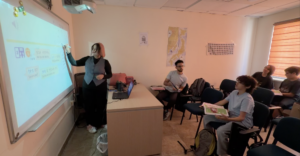
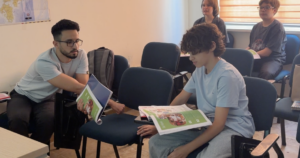
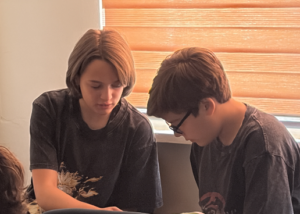
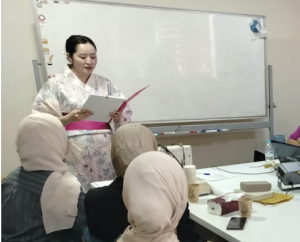
はじめに、参加した生徒たちは浴衣の着付けを学びました。本校の生徒は、着付けの手順を確認しながら、台湾の生徒一人ひとりを支援しました。相手の様子に配慮し、言葉や身ぶりを工夫して伝えることで、文化や言語の違いを越えた交流が生まれました。

インスタグラムの報告はこちら

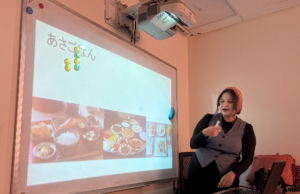
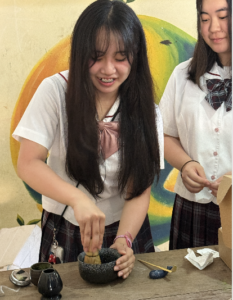
続く茶道体験では、本校の生徒がお茶の点て方やいただき方、礼の作法などを紹介しました。また、茶道における「おもてなし」の心や、一つ一つの所作に込められた相手への敬意についても伝えました。

さらに、裏千家の先代家元が、茶道を通じた国際交流や平和への願いを大切にしてきた歩みについて学びました。茶道は、伝統的な作法を学ぶだけではなく、人と人とが同じ場を共有し、互いを尊重しながら心を通わせる文化であることを考える機会となりました。

本校の生徒にとっては、日本文化について改めて学び、その意味を整理し、海外の生徒に伝える実践的な学習となりました。相手に分かりやすく伝えるためには、知識を覚えるだけでなく、文化的な背景や相手の立場を考えることが必要です。生徒たちは、説明の仕方や表現を工夫しながら交流を進めました。

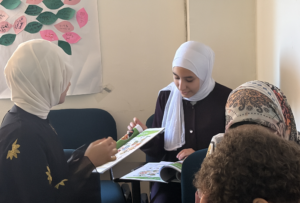
台湾の生徒たちも、浴衣や茶道を体験し、本校生徒との対話を通して、日本の伝統文化に込められた価値観に触れました。双方が質問し、感想を伝え合うことで、一方向の文化紹介ではなく、互いに学び合う交流となりました。

今回の活動は、文部科学省が重視する主体的・対話的な学びや、学校での学びを社会や文化と結び付ける教育実践につながるものです。また、文化の多様性を尊重し、対話を通して相互理解を深めることは、ユネスコが大切にする平和の文化の形成にも通じます。

文化の違いを知ることは、違いを分け隔てるためではなく、互いを理解するための出発点となります。生徒たちは、茶道や浴衣を通して日本文化を伝えるとともに、相手を尊重し、共に時間を過ごすことの大切さを学びました。

今後も本校では、伝統文化の学習と国際交流を結び付け、生徒が学び、伝え、対話する活動を通して、平和で持続可能な社会を担う力を育んでまいります

名古屋経済大学市邨高等学校ユネスコ平和教育推進部

UNESCO Peace through Tea Ceremony: A Cultural Exchange with Our Sister School from Taiwan

Students from our sister school in Kaohsiung, Taiwan, National Fengshan Senior Commercial & Industrial Vocational School, took part in a UNESCO-themed cultural exchange focused on peace, tea ceremony, and traditional Japanese culture.

The purpose of this activity was not only for the Taiwanese students to experience Japanese culture, but also for our students to learn about tea ceremony and yukata in advance and then communicate the cultural background and values behind these traditions in their own words. By taking on the roles of both learners and presenters, the students participated actively in an international exchange based on mutual learning.

The programme began with a yukata dressing experience. Our students learned the basic procedures and then supported each visiting student with the dressing process. By paying close attention to their partners and using simple words, gestures, and demonstrations, the students were able to communicate across linguistic and cultural differences.

During the tea ceremony session, our students introduced how to prepare and receive tea, as well as the meaning of greetings, bows, and other forms of etiquette. They also explained the spirit of omotenashi, or thoughtful hospitality, and the respect for others expressed through each movement.

The students also learned about the efforts of a former Grand Master of the Urasenke tradition, who promoted international exchange and peace through tea culture. This provided an opportunity to consider tea ceremony not only as a set of traditional practices, but also as a culture in which people share the same space, show respect for one another, and build connections through dialogue.

For our students, this activity became an opportunity to rediscover Japanese culture, organise what they had learned, and communicate it to students from another country. They recognised that explaining culture requires more than memorising information; it also requires an understanding of cultural background and consideration for the perspectives of others.

The visiting students experienced both yukata dressing and tea ceremony while learning about the values embedded in Japanese traditional culture. Through questions, conversation, and the exchange of impressions, the activity developed into a process of mutual learning rather than a one-way cultural presentation.

This activity reflected the importance placed by Japan’s Ministry of Education, Culture, Sports, Science and Technology on active, interactive, and meaningful learning, as well as connecting classroom learning with society and culture. It also corresponded with UNESCO’s emphasis on respect for cultural diversity, intercultural dialogue, and the development of a culture of peace.

Learning about cultural differences is not intended to create distance between people. Instead, it can provide a starting point for deeper mutual understanding. Through tea ceremony and yukata culture, the students learned the importance of respecting others, sharing time together, and building peaceful relationships across cultural boundaries.

Our school will continue to connect traditional cultural learning with international exchange and provide opportunities for students to learn, communicate, and engage in dialogue as participants in building a peaceful and sustainable society.

台湾姉妹校を迎え、ユネスコ国際交流・協働国際支援式典を開催しました

台湾・高雄市の姉妹校である国立鳳山商工高等学校(國立鳳山高級商工職業學校)の生徒・教職員の皆様が本校を訪問しました。

来校当日は、本校生徒が中心となって、歓迎行事と「ユネスコ国際交流・協働国際支援式典」を開催しました。生徒たちは、事前の企画、会場準備、司会進行、活動報告、交流プログラムの運営まで、それぞれの役割を担い、台湾の生徒を迎えました。

式典では、両校のこれまでの交流や共同学習を振り返るとともに、日本と台湾の生徒が協力して取り組んできた国際支援活動について報告しました。

インスタグラムでの報告はこちら

本事業では、カンボジアの教育課題や、中東地域の難民問題、フェアトレード、国際協力などをテーマに、オンライン交流や事前学習を重ねてきました。社会課題について知識を得るだけでなく、現地の方々や国際機関、NGO、支援団体などの声に学び、自分たちにできることを考え、具体的な行動へとつなげることを大切にしています。

今回の式典では、「支援する側」と「支援される側」という一方向の関係ではなく、異なる国や地域の人々から学び、互いの文化や考え方を尊重しながら、共通する課題に協力して向き合うことの大切さを確認しました。

文化交流では、両校の生徒が学校生活や地域文化について紹介し合い、言葉や文化の違いを越えて交流を深めました。生徒たちは、相手に伝わる表現を工夫しながら対話し、互いの共通点や違いを発見していました。

今回の交流は、姉妹校としての友好関係を深めるだけでなく、生徒が主体的に国際交流をつくり上げ、学びを社会への行動へと結び付ける機会となりました。

今後も両校は、対話と協働を大切にしながら、平和で持続可能な社会の実現に向けた学習と実践を継続してまいります。

名古屋経済大学市邨高等学校ユネスコ平和教育推進部

Student-Led UNESCO International Exchange and Collaborative Global Support Ceremony with Our Sister School from Taiwan

Students and teachers from our sister school in Kaohsiung, Taiwan, National Fengshan Senior Commercial & Industrial Vocational School, visited Ichimura Senior High School.

Upon their arrival, our students took the lead in organizing and conducting a UNESCO International Exchange and Collaborative Global Support Ceremony. They were actively involved in every stage of the event, including planning, venue preparation, welcoming the visitors, serving as masters of ceremonies, presenting activity reports, and facilitating the exchange programme.

During the ceremony, students from both schools reflected on their previous exchanges and collaborative learning activities. They also reported on the international support initiatives that Japanese and Taiwanese students have undertaken together.

Through this project, students from both countries have learned about global issues, including educational challenges in Cambodia, refugee-related issues in the Middle East, fair trade, and international cooperation. The project places importance not only on gaining knowledge, but also on listening respectfully to the voices of local communities, international organizations, NGOs, and other partners. Based on this learning, the students have considered what they can do and have connected their ideas to concrete action.

The ceremony also highlighted the importance of moving beyond a one-sided relationship between those who “provide support” and those who “receive support.” Instead, students were encouraged to learn from people in different countries and regions, respect diverse cultures and perspectives, and work together to address shared global challenges.

During the cultural exchange activities, students introduced their school lives and local cultures to one another. By communicating across linguistic and cultural differences, they deepened their mutual understanding and discovered both commonalities and differences between their communities.

This visit provided a valuable opportunity not only to strengthen the friendship between the two sister schools, but also for students to take ownership of international exchange and connect their learning with action for society.

The two schools will continue to value dialogue, mutual respect, and collaboration as they work together toward a more peaceful and sustainable future.


Make a tie-dyed handkerchief.

ユネスコ憲章には、「戦争は人の心の中で生れるものであるから、人の心の中に平和のとりでを築かなければならない」と示されています。

本校では、このユネスコの理念を大切にしながら、台湾の姉妹校である国立鳳山商工高級中等学校の皆さんとともに、世界の現状を学び合い、平和について考え、実際の行動につなげるESD探究活動に取り組んでいます。

具体的には、カンボジアの学校支援、パレスチナ・シリア難民女性のフェアトレード支援、世界の平和や人権についての合同発表、オンライン交流、対話型の学びなどを通して、国境を越えて「自分たちにできること」を考え、実践しています。

今回、生徒たちは台湾から来日する仲間を迎えるために、絞り染めのハンカチを制作しました。
一枚一枚に歓迎の気持ちを込めながら、手づくりの交流を通して、互いの文化を尊重する心、相手を思いやる姿勢、そして平和な社会をつくるために行動する力を育んでいます。

小さな活動ではありますが、台湾の仲間とともに世界の課題を学び、考え、行動する本事業の一つひとつの経験が、生徒たちの心の中に平和のとりでを築く学びにつながっています


This project is part of our ESD inquiry-based learning.
By preparing handmade gifts for our friends from Taiwan, students learn the importance of cultural exchange, mutual respect, and taking action for a more peaceful world.

The Constitution of UNESCO states that “since wars begin in the minds of men, it is in the minds of men that the defences of peace must be constructed.”

Based on this UNESCO ideal, our school is working together with our sister school in Taiwan, National Feng-Shan Senior Commercial & Industrial

Instagramはこちら


絞り染めに平和の願いをこめて 台湾の仲間を迎えるESD探究活動

本事業では、日本と台湾の生徒が協働し、パレスチナの学校支援、カンボジアの学校支援、中東の難民女性を支えるフェアトレード活動に取り組んでいます。

世界で起きている紛争、貧困、難民問題を遠い出来事として捉えるのではなく、学び、対話し、自分たちにできる小さな行動へとつなげています。

今回、生徒たちは、台湾から来日する仲間を迎える準備として、絞り染めのハンカチを制作しました。

一枚一枚に歓迎の気持ちを込めながら、国境を越えて共に平和を考える仲間との出会いを大切にしています。

ユネスコ憲章には、「戦争は人の心の中で生れるものであるから、人の心の中に平和のとりでを築かなければならない」と示されています。

この理念を大切にしながら、私たちは日本と台湾の生徒がともに学び、考え、行動するESD探究活動を進めています。

市邨高校ユネスコ平和教育推進部

Students from our sister school in Taiwan, National Feng-Shan Senior Commercial & Industrial Vocational School, will visit Japan and hold a Peace Activity Presentation together with our students.

In this project, students in Japan and Taiwan work together to support schools in Palestine, support schools in Cambodia, and promote fair trade activities that support refugee women in the Middle East. Rather than seeing conflict, poverty, and refugee issues as distant problems, students learn about these realities, discuss them together, and connect their learning to small but meaningful actions.

As part of the preparation to welcome our friends from Taiwan, our students created handmade tie-dye handkerchiefs.
Each handkerchief carries a message of friendship and welcome, expressing our hope to learn and act together for peace across borders.

The Constitution of UNESCO states that “since wars begin in the minds of men, it is in the minds of men that the defences of peace m


Instagram紹介はこちら

海外の学生とともに学び、国連やNGO,企業と取り組むユネスコ探究活動

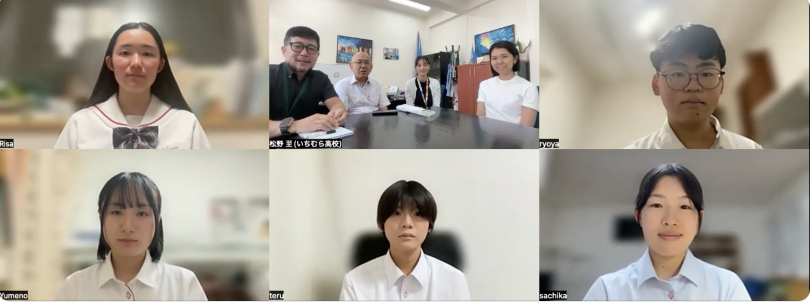
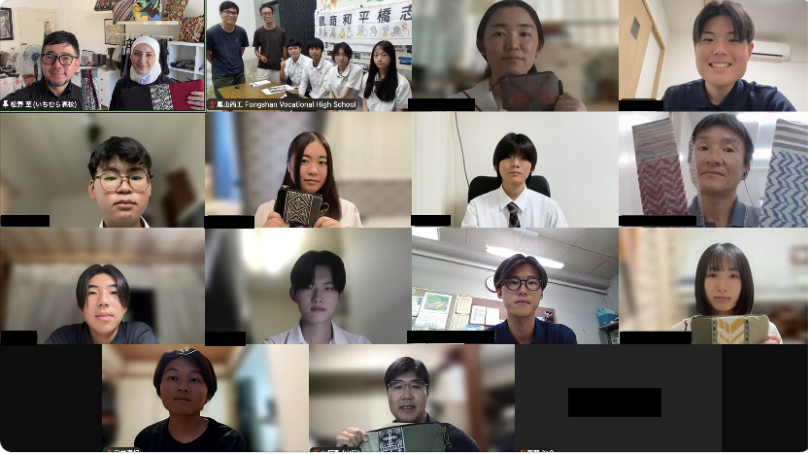
本校ユネスコ委員会では、台湾の姉妹校と連携し、日本と台湾の生徒がともに学び合う合同学習会を開催しました。

本事業は、世界の課題を「知る」だけで終わらせず、国境を越えた対話と協働を通して、自分たちにできる行動へとつなげる探究型のESD実践です。これまで本校では、カンボジアの学校支援、パレスチナ難民キャンプの学校支援、中東の難民女性によるフェアトレード支援などに取り組んできました。今回の合同学習会では、台湾と日本の生徒がそれぞれの学びや活動を共有し、国際支援の意義や、平和を築くために教育が果たす役割について考えました。

生徒たちは、現地の課題を一方的に支援の対象として捉えるのではなく、相手の声に学び、互いの文化や考え方を尊重しながら、共に課題解決を目指す姿勢を深めています。ユネスコ憲章の理念に基づき、平和は人の心の中に築かれるという考えを大切にしながら、知識理解を思考判断へ、さらに具体的な探究活動と社会貢献へとつなげることを目指しています。

今後も、台湾の姉妹校をはじめ、国内外の関係機関や地域の皆様と連携しながら、生徒一人ひとりが国際社会の課題を自分事として捉え、平和と持続可能な社会の実現に向けて行動できる力を育んでまいります。

インスタグラムの報告はこちら

台湾報告レポート3 対面の交流で深まった対話と学び ― 昼食交流と島でのフィールドワーク ―

対面の交流で深まった対話と学び ― 昼食交流と島でのフィールドワーク ―

これまでオンラインで継続的に学び合い、パレスチナの子どもたちへの学校支援、カンボジアの子どもたちへの学校支援、難民女性のフェアトレード支援に、ともに取り組んできた日本と台湾の生徒たちは、午後も対面での交流を深めました。

世界の課題について共に学び、発表するだけでなく、その学びを実際の行動へとつなげてきた生徒たちが、同じ時間と空間を共有しながら対話を重ねることは、本事業ならではの大切な学びの機会となりました。

① 昼食交流 黄埔新村(Huangpu New Village)

午後はまず、黄埔新村(Huangpu New Village)にある日本の歴史的な建物を活用したレストランで、日本と台湾の生徒たちがグループに分かれて昼食交流を行いました。

落ち着いた空間の中で台湾の料理を囲みながら、これまでオンラインでともに学び、支援活動に取り組んできた仲間同士が、対面でゆっくりと言葉を交わす時間となりました。

同じ食卓を囲みながら、互いの考えや日常、これまでの活動について語り合うことは、相手への理解を深めるだけでなく、自分自身の学びを見つめ直す機会にもなります。こうした交流は、ユネスコ憲章第1条が示す、教育・文化を通した諸国民の交流と相互理解の促進にも通じるものです。

また、文部科学省が重視する「主体的・対話的で深い学び」や、文部科学省EDU-Portニッポンが大切にする国境を越えた学びの共有という視点から見ても、意義ある実践の一つといえます。

相手を尊重しながら、自分の思いや考えを伝えようとする姿勢は、言葉の壁を越えて相互理解を築こうとする実践であり、ユネスコ憲章の理念にも通じるものです。


こうした経験は、ESDの視点に加え、SEL(社会性と情動の学習)の視点からも大切な学びであり、対話を通して他者を理解し、ともに学ぶ関係を育むことは、生徒たちのウェルビーイングにもつながることが期待されます。

② 島でのフィールドワーク

昼食交流の後、生徒たちは船で旗津(Cijin / Qijin)へ移動し、島でのフィールドワークを行いました。

海を渡って現地を訪れ、ともに歩きながら地域の景観や雰囲気に触れることは、教室の中だけでは得られない学びにつながります。生徒たちは、対話を重ねながら景色を見つめ、地域の歩みや文化に思いを寄せる時間を持ちました。

島内では、旗後砲台(Cihou Fort)へ向かって歩き、山の上から周囲の景色を見渡しました。現地を実際に歩き、自分の目で見て、感じたことを互いに伝え合うことは、知識を覚えるだけではない探究的な学びへとつながります。

異なる文化的背景をもつ生徒同士が、同じ場所で同じ景色を見ながら語り合うことは、相手の見方や感じ方にふれ、自分の考えを深める貴重な機会となりました。


インスタグラムでの報告の動画はこちら

③ 対話と交流が育む学び

午後の活動を通して、生徒たちは、自分の言葉で伝えること、相手の話に耳を傾けること、ともに考えることの大切さをあらためて学びました。その積み重ねは、自分がこの学びの場の一員として役割を果たしているという実感につながり、「自己有用感」を育むことにもつながります。

このような学びは、知識の習得にとどまらず、対話を通して他者を理解し、自らの考えを深めていく「ESDの実践」として捉えることができます。

また、相手を尊重しながら関わり合い、言葉の違いを越えて理解し合おうとする経験は、学校教育における「ウェルビーイング」の向上にも寄与することが期待されます。

本校では今後も、文部科学省EDU-Portニッポン応援プロジェクトのもと、ユネスコ憲章の理念をふまえながら、市邨学園の理念である、慈悲(あたたかい心)忠実(すなおな心)忍耐(くじけない心)の理念に則り、対話と交流を通して世界の課題や多様な文化に向き合う教育実践を積み重ねてまいります。

次回のレポート4では、日本と台湾の生徒たちがこれまでの学びと実践を共有した、国際支援報告シンポジウムの様子をご報告いたします。

ユネスコ平和教育推進部インスタグラムはこちら
 

Taiwan Report Meeting Report 3

Dialogue and Learning Deepened Through the Afternoon Program

– Lunch Exchange and a Fieldwork Visit on the Island –

The Japanese and Taiwanese students, who had been learning together online and working side by side on support for Palestinian children’s schools, Cambodian children’s schools, and fair-trade support for refugee women, continued to deepen their face-to-face exchange in the afternoon. For students who have not only studied global issues and given presentations together, but have also connected their learning to concrete action, sharing the same time and space and engaging in direct dialogue became another meaningful opportunity for learning unique to this project.

① Lunch Exchange

The afternoon began with a lunch exchange at a restaurant in Huangpu New Village, a renovated historic building, where Japanese and Taiwanese students were divided into small groups. Over Taiwanese dishes in a calm and welcoming setting, students who had learned together online and collaborated in support activities were able to sit down face to face and talk at length.

Sharing the same table and discussing their thoughts, daily lives, and past activities helped students deepen their understanding of one another while also reflecting on their own learning. Such exchanges are also connected to the spirit of Article 1 of the UNESCO Constitution, which emphasizes promoting exchange and mutual understanding among peoples through education and culture. It can also be seen as a meaningful practice from the perspective of MEXT’s emphasis on “independent, interactive, and deep learning,” as well as EDU-Port Japan’s commitment to sharing learning across borders.

Moreover, the attitude of trying to communicate one’s thoughts and feelings while respecting others represents an effort to build mutual understanding beyond language barriers, and this, too, resonates with the ideals of the UNESCO Constitution.

Such experiences are valuable not only from the perspective of ESD, but also from that of SEL (Social and Emotional Learning). Through dialogue, students learn to understand others and to build relationships in which they can learn together, and this is also expected to contribute to their well-being.

② Fieldwork on the Island

After lunch, the students traveled by boat to Cijin / Qijin and took part in a fieldwork activity on the island. Crossing the sea and walking through the local area together, while experiencing its scenery and atmosphere, offered a kind of learning that cannot be gained in the classroom alone. As they continued their conversations, the students reflected on the landscape before them and considered the culture and history of the area.

On the island, the students walked toward Cihou Fort and looked out over the surrounding scenery from the hilltop. Actually walking through the site, seeing it with their own eyes, and sharing what they felt with one another encouraged a form of inquiry-based learning that goes beyond simply memorizing knowledge. For students from different cultural backgrounds to stand in the same place, look at the same view, and talk together was a valuable opportunity to encounter each other’s perspectives and deepen their own thinking.

③ Learning Fostered Through Dialogue and Exchange

Through the afternoon’s activities, the students once again learned the importance of expressing themselves in their own words, listening carefully to others, and thinking together. These repeated experiences also helped them feel that they each had a role to play as members of this shared learning community, which in turn can nurture a sense of self-worth and personal contribution.

This kind of learning can be understood as an  ESD practice that goes beyond the acquisition of knowledge and instead deepens understanding through dialogue. Experiences of respecting one another, engaging with each other sincerely, and trying to understand one another beyond differences in language can also be expected to contribute to students’  well-being in school education.

In accordance with the ideals of UNESCO, the principles of the UNESCO Constitution, the vision of MEXT’s EDU-Port Japan Support Project, and the founding spirit of Ichimura Gakuen, our school will continue to promote educational practices grounded in dialogue and exchange.

In Report 4, we will share the International Support Report Symposium, where Japanese and Taiwanese students presented the learning and practical activities they have developed together.

台湾報告レポート2 対面で深まった学びと交流(ESD)

― 高雄・黄埔新村(Huangpu New Village)で、歴史と食文化をともに学ぶワークショップ ―

これまでオンラインで継続的に学び合い、パレスチナの学校支援やカンボジアの学校支援にともに取り組んできた日本と台湾の生徒たちは、今回、台湾において対面での交流会を行いました。画面越しに積み重ねてきた対話が、実際に顔を合わせることでさらに深まり、互いの学びや思いを確かめ合う機会となりました。

本事業は、世界の課題について共に学び、発表するだけにとどまらず、その学びを生かして実際の国際支援活動へとつなげてきたところに特色があります。

日本と台湾の生徒たちは、パレスチナの学校支援、カンボジアの学校支援、難民女性支援に向けて、ともに考え、ともに行動しながら学びを重ねてきました。

今回の対面交流もまた、そうした実践の延長線上にあるものであり、異なる文化を学び合い、理解を深めること自体が、ユネスコ憲章第1条に示された、教育・文化を通した諸国民の交流と相互理解の促進、そして平和の基礎を築く営みに通じるものとなっています。

今回のワークショップでは、高雄(Kaohsiung)にある 黄埔新村(Huangpu New Village)を訪れ、日本と台湾の生徒たちが、歴史と文化をともに学ぶ時間を持ちました。

① 歴史を学ぶフィールドワーク

黄埔新村(Huangpu New Village)は、歴史ある眷村文化を感じることのできる場所であるとともに、現在は新たな交流や文化発信の場として親しまれている地域です。

歴史を受け継ぎながら、新しい地域文化の拠点として生まれ変わっているこの場所でのフィールドワークは、生徒たちにとって、過去を学ぶことと、現在の地域の営みを見つめることを結び付けて考える機会となりました。

現地では、日本と台湾の生徒たちがともにまちを歩き、地域に刻まれてきた歴史について学び合いました。説明を受けるだけでなく、ともに見て、ともに考え、ともに語り合うことで、歴史は単なる知識としてではなく、平和や共生を考えるための学びとして受け止められていきました。

異なる地域に生きる生徒たちが、地域の歴史をともに学び合うことは、相手の背景や価値観を理解しようとする姿勢を育み、「人の心の中に平和の砦を築く」というユネスコの理念にも通じる実践の一場面となりました。

インスタグラムの動画報告はこちらをクリック

② 食文化を学ぶ交流ワークショップ

この日は、台湾で親しまれている「花巻(Huajuan)」づくりにも一緒に取り組みました。生徒たちは、手のひらサイズの生地を丁寧にねじり、花びらのような形に整えて蒸し上げ、完成したものをともに味わいました。

ともに作り、ともに食べる時間は、言葉だけでは伝えきれない暮らしの知恵や文化の背景にふれる機会となり、互いの日常や価値観への理解を深める温かな交流の場となりました。

このように、今回のワークショップは、地域の歴史を学ぶ活動と、食文化をともに体験する活動の両面から構成されていました。知識として学ぶだけでなく、実際に歩き、見て、作り、味わうことを通して、文化や歴史への理解を深める時間となりました。

インスタグラムの報告(グループワーク)1

インスタグラムの報告(グループワーク)2

このような学びは、知識の習得にとどまらず、対話を通して他者を理解し、自らの考えを深め、実際の行動へとつなげていく「ESDの実践」として捉えることができます。

また、世界を共に学び、共に国際支援に貢献してきた学校の学生たちが、互いの異なる国や文化・相手を尊重しながら協働し取り組む見ながら学び合う関係を築いていく経験は、他者への共感力、より公正な判断を行うといった、ユネスコのSEL(社会性と情動の学習)の視点とも重なります。

今回の交流もまた、相手を理解し、協力しながら学ぶ力を育む機会となりました。

さらに、こうした対面での学びの中で、自分の言葉で伝えること、相手の思いを受け止めること、ともに活動を形にしていくことは、生徒たちの自己有用感を育むうえでも大切です。

自分がこの交流の一員として役割を持ち、仲間とともに学びをつくっていることを実感する経験は、学校教育における「ウェルビーイング」にもつながっていくことが期待されます。

文部科学省が重視する「主体的・対話的で深い学び」、市邨学園の理念である、「あたたかい心(慈悲)」「素直な心(忠実)」「くじけない心(忍耐)」、ユネスコ憲章の「平和の砦」とも響き合いながら、本事業は、対話と交流を基盤として平和と共生を考える学びの姿を具体的に示していきます。

本校では今後も、文部科学省EDU-Portニッポン応援プロジェクトのもと、ユネスコ憲章の理念をふまえながら、対話と交流を通して世界の課題、地域の歴史、文化的背景を結び付けて学ぶ教育実践を積み重ねてまいります。

次回は、午後に行われたフィールドワークの様子について報告いたします。

インスタグラムでの活動報告はこちら


本校教員 振り込め詐欺防止で警察より感謝状

このたび、本校教員の松野先生(ユネスコ平和教育推進部主任)が、千種警察署生活安全課より感謝状をいただきました。

本件では、警察の皆様が丁寧かつ迅速に対応してくださり、ご夫婦の安全が守られました。

日頃より地域の安心・安全を支えておられる警察署の皆様に、心より感謝申し上げます。

本校の教員は、生徒とともにユネスコ憲章の理念や市邨学園の建学の精神を学びながら、対話を大切にした国際支援探究活動に取り組んでいます。

本校は今後も、地域とともに歩みながら、生徒一人ひとりが他者を思いやり、主体的に社会に関わる力を育む教育を推進してまいります。

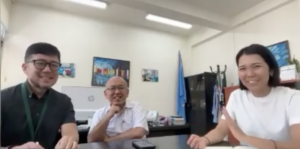
GEG Nagoya × nabari 共催イベント「教育とAI」で本校生徒が発表を行いました

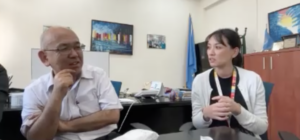
GEG Nagoya と GEG nabari の共催によるイベント「教育とAI AI時代の学びをひらく」が開催され、本校生徒が参加・発表を行いました。

当日は、桜花学園高等学校と本校の生徒が登壇し、日々の学習や学校活動の中でどのように生成AIを活用しているのかについて発表しました。

生徒たちは、探究活動や授業での実践をもとに、生成AIを「答えを得るための道具」としてではなく、考えを広げたり、自分の表現を深めたりするパートナーとして活用していることを、自分自身の言葉で率直に語りました。

発表では、「学習過程でのAIとの対話」「アイデア発想への活用」「表現活動における試行錯誤」など、生徒一人ひとりの実体験に基づいた具体的な実践が紹介され、参加者から大きな関心が寄せられました。

学校や立場を越えて学び合う本イベントは、生徒にとっても、自分たちの学びを社会に向けて発信する貴重な機会となりました。市邨高校では今後も、生徒が主体となって学びを創り、社会とつながる経験を大切にしていきます。

本イベントを企画・運営してくださった皆様、そして温かく耳を傾けてくださった参加者の皆様に心より感謝申し上げます。