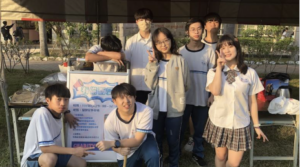
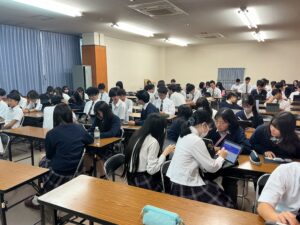
本校を訪問した台湾・高雄市の姉妹校、国立鳳山商工高等学校の生徒たちとともに、「ユネスコ平和茶道文化体験」を行いました。
今回の活動では、台湾の生徒たちが日本文化を体験するだけでなく、本校の生徒が茶道や浴衣について事前に学び、その背景にある文化や精神を自分たちの言葉で伝えました。生徒が学ぶ側と伝える側の双方を経験する、主体的な国際交流となりました。

インスタグラムの動画報告はこちら
はじめに、参加した生徒たちは浴衣の着付けを学びました。本校の生徒は、着付けの手順を確認しながら、台湾の生徒一人ひとりを支援しました。相手の様子に配慮し、言葉や身ぶりを工夫して伝えることで、文化や言語の違いを越えた交流が生まれました。
インスタグラムの報告はこちら
続く茶道体験では、本校の生徒がお茶の点て方やいただき方、礼の作法などを紹介しました。また、茶道における「おもてなし」の心や、一つ一つの所作に込められた相手への敬意についても伝えました。
さらに、裏千家の先代家元が、茶道を通じた国際交流や平和への願いを大切にしてきた歩みについて学びました。茶道は、伝統的な作法を学ぶだけではなく、人と人とが同じ場を共有し、互いを尊重しながら心を通わせる文化であることを考える機会となりました。
本校の生徒にとっては、日本文化について改めて学び、その意味を整理し、海外の生徒に伝える実践的な学習となりました。相手に分かりやすく伝えるためには、知識を覚えるだけでなく、文化的な背景や相手の立場を考えることが必要です。生徒たちは、説明の仕方や表現を工夫しながら交流を進めました。
台湾の生徒たちも、浴衣や茶道を体験し、本校生徒との対話を通して、日本の伝統文化に込められた価値観に触れました。双方が質問し、感想を伝え合うことで、一方向の文化紹介ではなく、互いに学び合う交流となりました。
今回の活動は、文部科学省が重視する主体的・対話的な学びや、学校での学びを社会や文化と結び付ける教育実践につながるものです。また、文化の多様性を尊重し、対話を通して相互理解を深めることは、ユネスコが大切にする平和の文化の形成にも通じます。
文化の違いを知ることは、違いを分け隔てるためではなく、互いを理解するための出発点となります。生徒たちは、茶道や浴衣を通して日本文化を伝えるとともに、相手を尊重し、共に時間を過ごすことの大切さを学びました。
今後も本校では、伝統文化の学習と国際交流を結び付け、生徒が学び、伝え、対話する活動を通して、平和で持続可能な社会を担う力を育んでまいります
名古屋経済大学市邨高等学校ユネスコ平和教育推進部
UNESCO Peace through Tea Ceremony: A Cultural Exchange with Our Sister School from Taiwan
Students from our sister school in Kaohsiung, Taiwan, National Fengshan Senior Commercial & Industrial Vocational School, took part in a UNESCO-themed cultural exchange focused on peace, tea ceremony, and traditional Japanese culture.
The purpose of this activity was not only for the Taiwanese students to experience Japanese culture, but also for our students to learn about tea ceremony and yukata in advance and then communicate the cultural background and values behind these traditions in their own words. By taking on the roles of both learners and presenters, the students participated actively in an international exchange based on mutual learning.
The programme began with a yukata dressing experience. Our students learned the basic procedures and then supported each visiting student with the dressing process. By paying close attention to their partners and using simple words, gestures, and demonstrations, the students were able to communicate across linguistic and cultural differences.
During the tea ceremony session, our students introduced how to prepare and receive tea, as well as the meaning of greetings, bows, and other forms of etiquette. They also explained the spirit of omotenashi, or thoughtful hospitality, and the respect for others expressed through each movement.
The students also learned about the efforts of a former Grand Master of the Urasenke tradition, who promoted international exchange and peace through tea culture. This provided an opportunity to consider tea ceremony not only as a set of traditional practices, but also as a culture in which people share the same space, show respect for one another, and build connections through dialogue.
For our students, this activity became an opportunity to rediscover Japanese culture, organise what they had learned, and communicate it to students from another country. They recognised that explaining culture requires more than memorising information; it also requires an understanding of cultural background and consideration for the perspectives of others.
The visiting students experienced both yukata dressing and tea ceremony while learning about the values embedded in Japanese traditional culture. Through questions, conversation, and the exchange of impressions, the activity developed into a process of mutual learning rather than a one-way cultural presentation.
This activity reflected the importance placed by Japan’s Ministry of Education, Culture, Sports, Science and Technology on active, interactive, and meaningful learning, as well as connecting classroom learning with society and culture. It also corresponded with UNESCO’s emphasis on respect for cultural diversity, intercultural dialogue, and the development of a culture of peace.
Learning about cultural differences is not intended to create distance between people. Instead, it can provide a starting point for deeper mutual understanding. Through tea ceremony and yukata culture, the students learned the importance of respecting others, sharing time together, and building peaceful relationships across cultural boundaries.
Our school will continue to connect traditional cultural learning with international exchange and provide opportunities for students to learn, communicate, and engage in dialogue as participants in building a peaceful and sustainable society.